Moving Traffic Safely Around Your Work
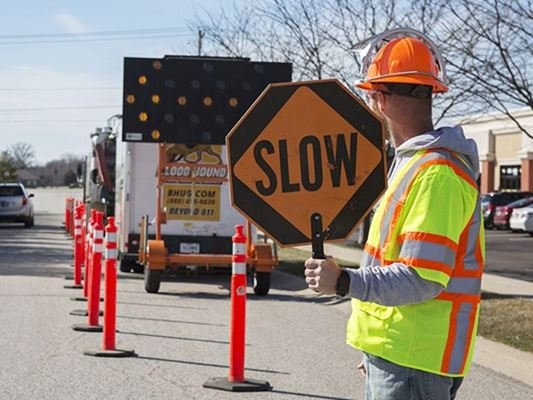
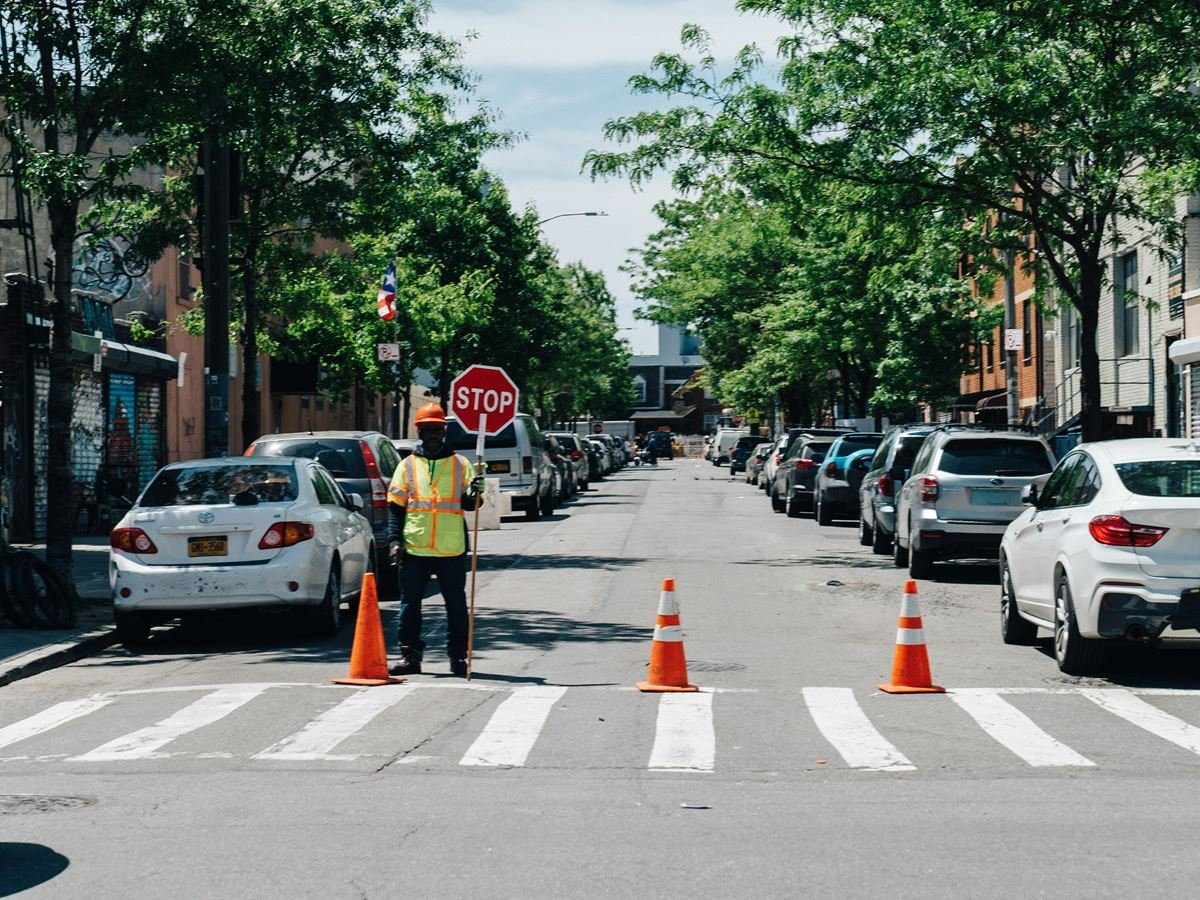
“Flagging” is the common term for the closure of one lane in a section of roadway that has only two lanes. Traffic must be moved around the work area one direction at a time by use of flaggers, or Traffic Control Persons (TCPs).
That operation can cover a short distance or hundreds of metres, and it can become genuinely complicated — driveways and side streets inside the closure, sight lines around a bend, cyclists and pedestrians to route, or a queue that will not clear within the cycle. Any of those can require more than the standard two-person crew set-up. Getting that judgement right before the first cone goes down is what keeps a closure safe and keeps traffic moving.
Closure Types We Handle
Single-Lane Alternating Traffic
Two-way traffic managed through one open lane by coordinated flaggers.
Shoulder & Edge-Line Closures
Protected work space along the edge of the travelled roadway.
Full Lane Closures
Lane drops on multi-lane roads with tapers and buffers to the posted speed.
Intersection & Turn-Lane Closures
Complex movements managed with extra personnel and clear direction.
Sidewalk Closures & Detours
Safe, accessible routes for pedestrians and cyclists around the site.
Rolling & Mobile Operations
Moving work zones for line painting, sweeping, inspections and patching.
Full Road Closures
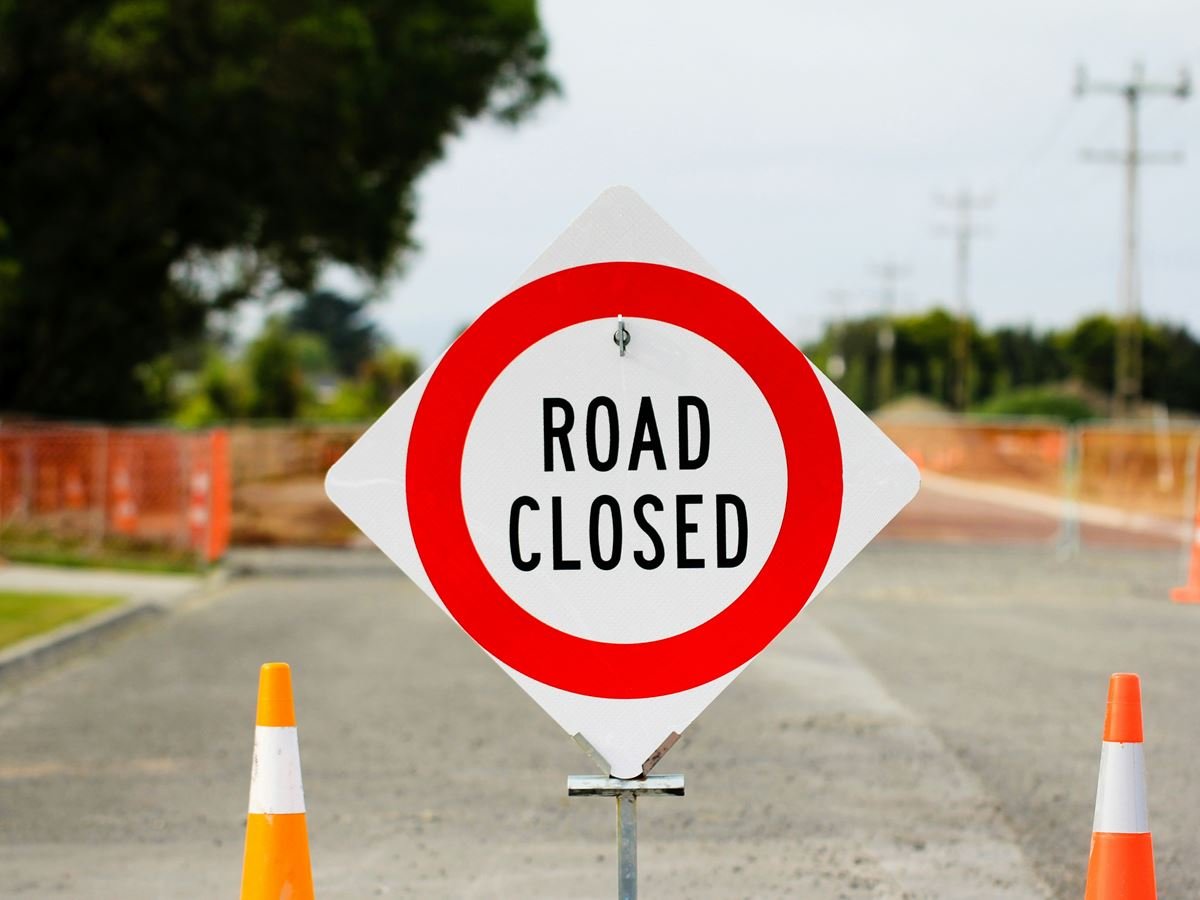
Complete closures with signed detour routes and local access control.
Night & Weekend Work
Lit, high-visibility set-ups for work outside peak traffic hours.
Lane Closure Technicians
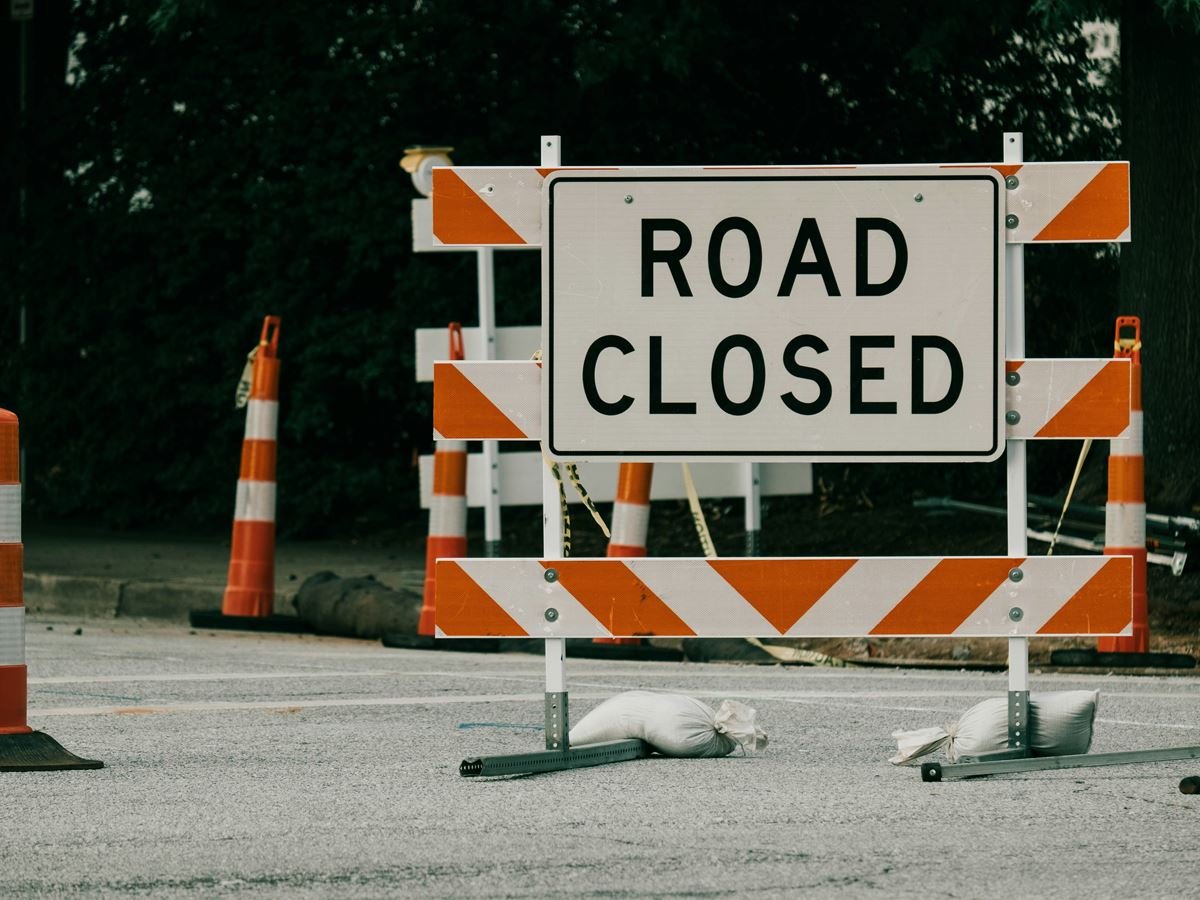
Longer and higher-speed closures are supervised by Lane Closure Technicians (LCTs). An LCT lays out the taper, sets the advance warning distances for the posted speed, positions the buffer, and adjusts the set-up as conditions change through the shift. On multi-lane and higher-volume roads, that experience is the difference between a closure that flows and one that backs up for kilometres.
Complex site?Send us a map or a photo of the location. We will tell you how many personnel the closure needs and whether a traffic management plan is required before you can start.
Set Up to Standard
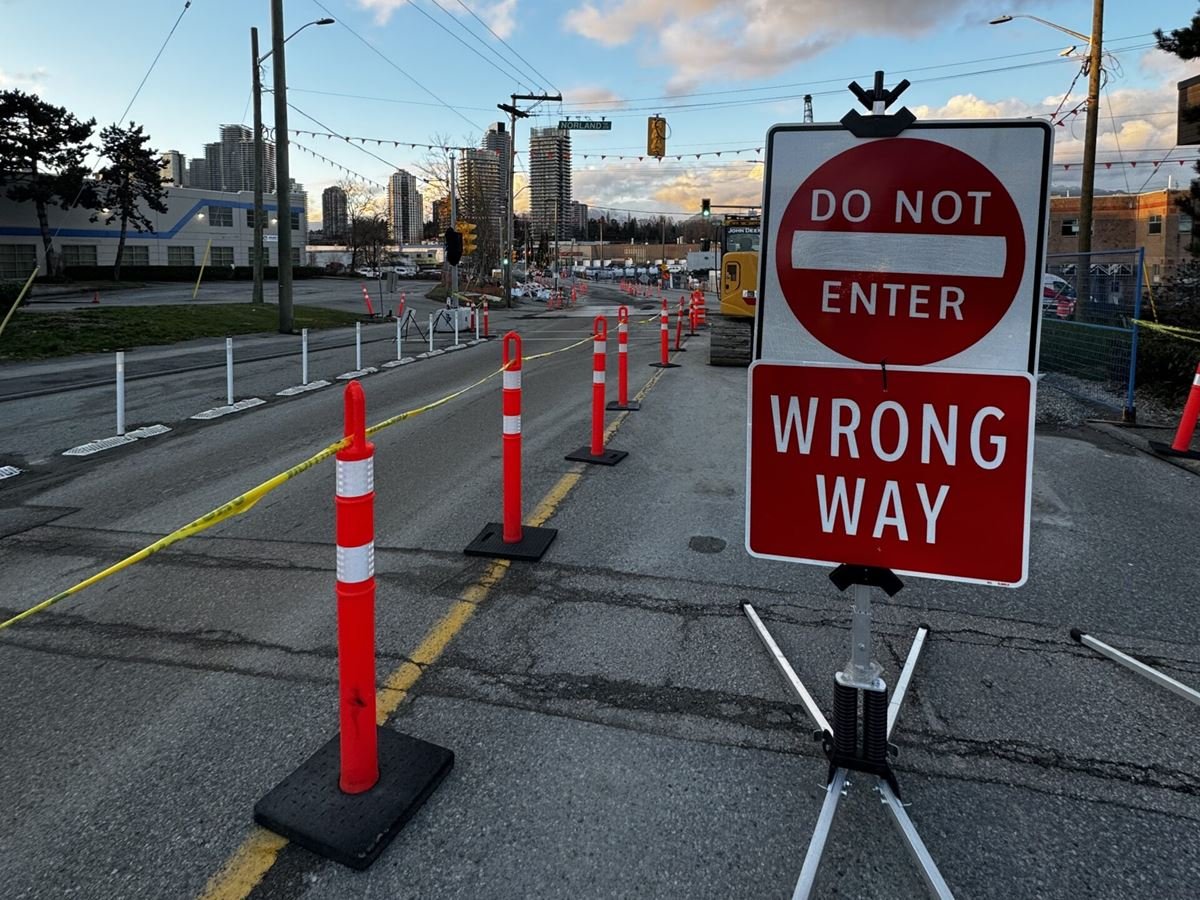
Every closure is built to the layouts in the BC Traffic Management Manual — correct advance warning signage, taper lengths matched to the posted speed, buffer space kept clear of workers, and delineation that reads clearly in rain and at night. Our crews document the set-up at the start of the shift and adjust it whenever the work zone moves.
- Correct advance warning signage
- Tapers matched to posted speed
- Buffer space kept clear of workers
- Night-visible delineation
- Documented at every shift start
- Adjusted as the work zone moves
Frequently Asked Questions
A Traffic Control Person directs traffic through a work zone — the flagging role most people picture. A Lane Closure Technician plans and builds the closure itself: advance signage, taper layout, buffer space and device placement, usually on multi-lane or higher-speed roads.
It depends on the length of the closure, sight lines, side streets and driveways, pedestrian activity and traffic volume. Send us the location and we will recommend the right crew size.
Yes. Many closures are scheduled outside peak hours, and our crews are equipped with lighting and high-visibility gear for night work.